Industrial
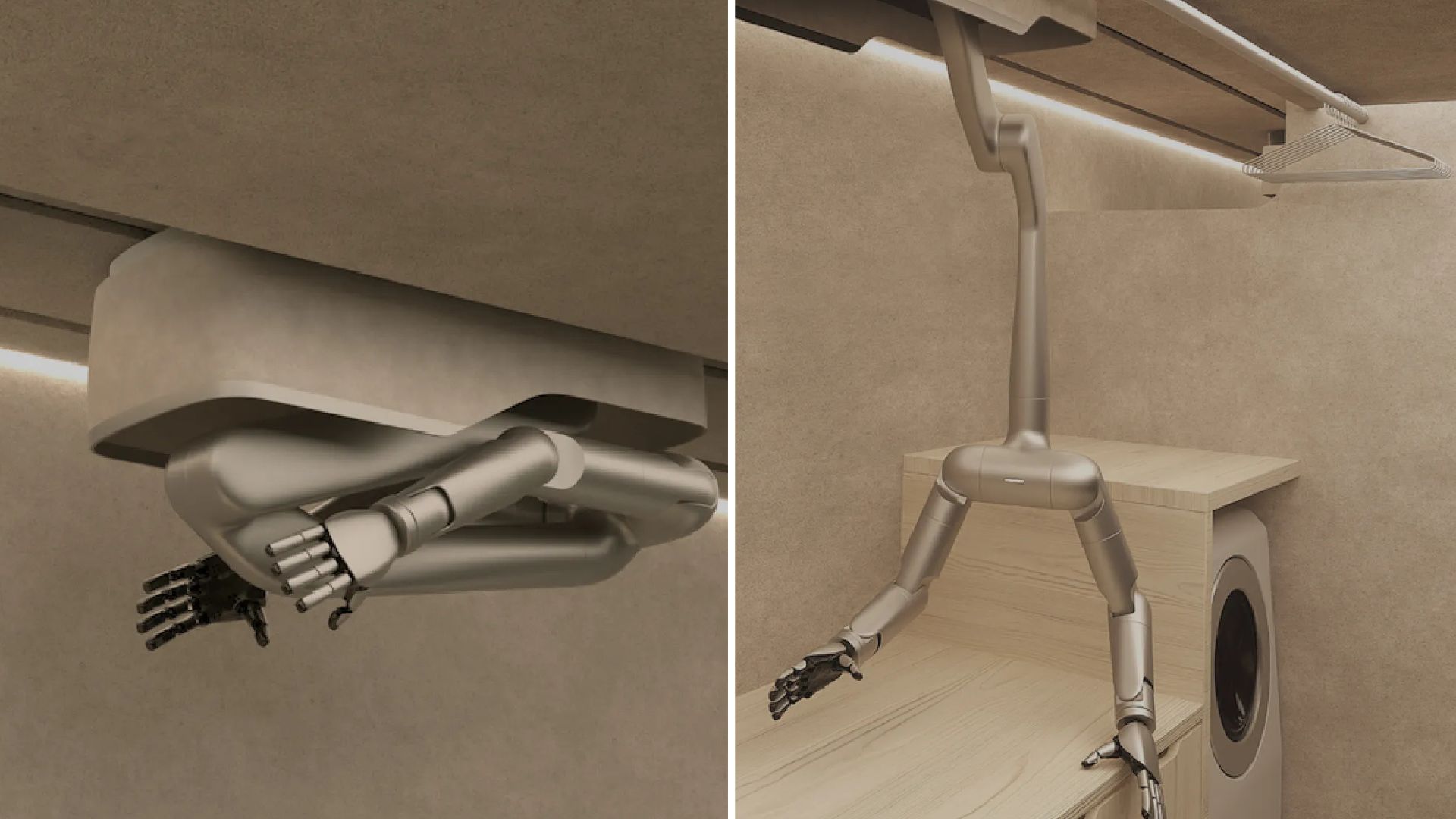
Startup unveils Iron Man-inspired homes with built-in robotic arms to automate chores
As global tech giants rush to bring two-legged humanoid robots into living rooms, Tokyo-based startup...
Category
Warehouse, factory, and logistics automation.
Industrial robotics is where the money is: warehouses, factories, and the logistics that connect them.
The story is consolidation — fewer, larger deployments — and the slow shift from fixed automation to mobile manipulation.
As global tech giants rush to bring two-legged humanoid robots into living rooms, Tokyo-based startup...
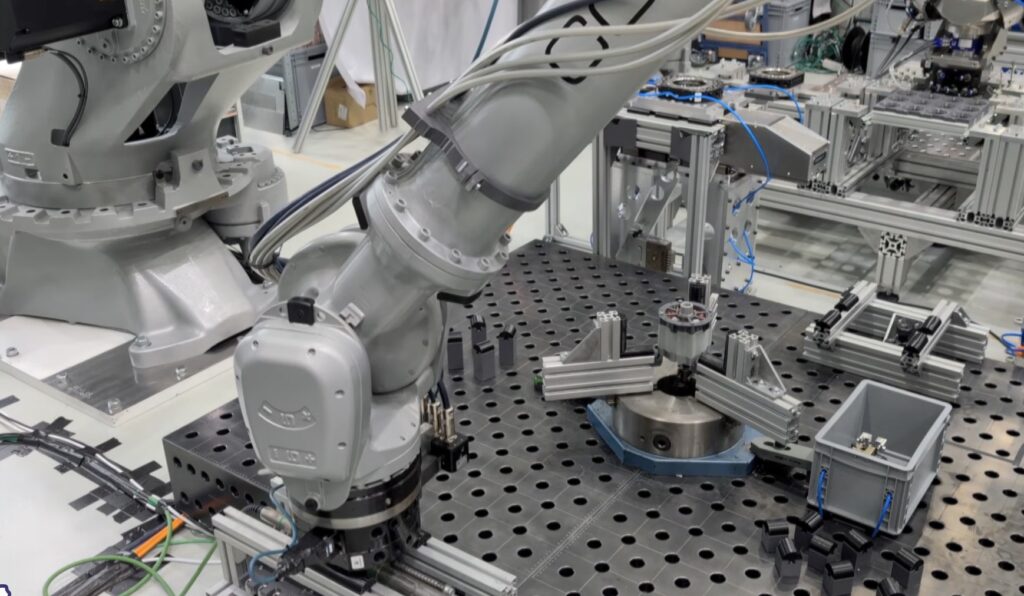
Credit: Baumis Robots (Karlsruhe Institute of Technology). By Emmet Cole In our new monthly series, we showcase a selection of robotics stories from society, business, research, and culture, as we track the field’s ongoing journey from specialized industrial machines to an increasingly visible social phenomenon. Reshoring reimagined? In early August, The Information published an article […]
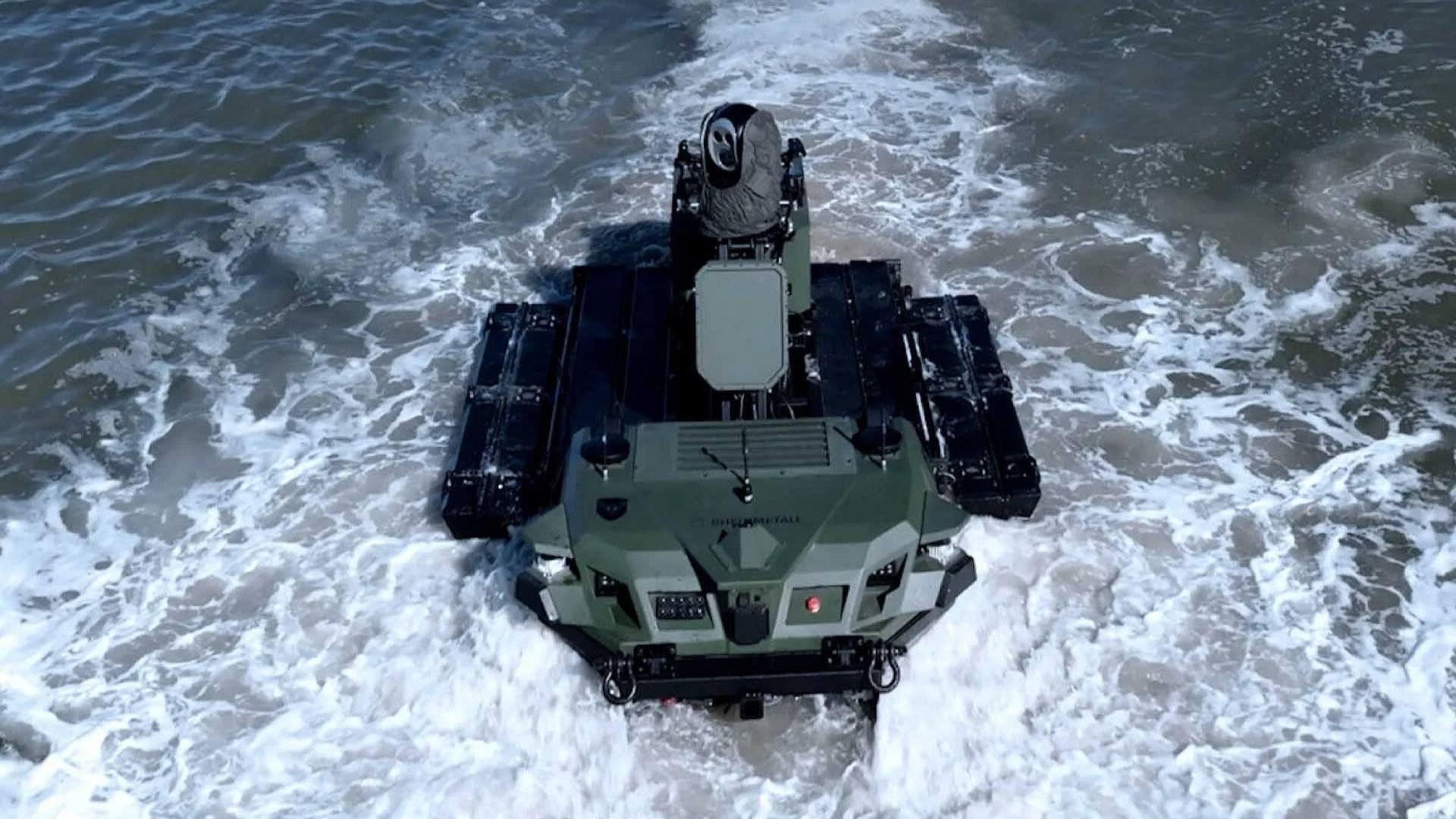
American Rheinmetall, the US arm of German defense company Rheinmetall, has secured a $7.28 million...
Read as Deal terms are usually undisclosed and headline prices often include earn-outs that depend on targets not yet met.
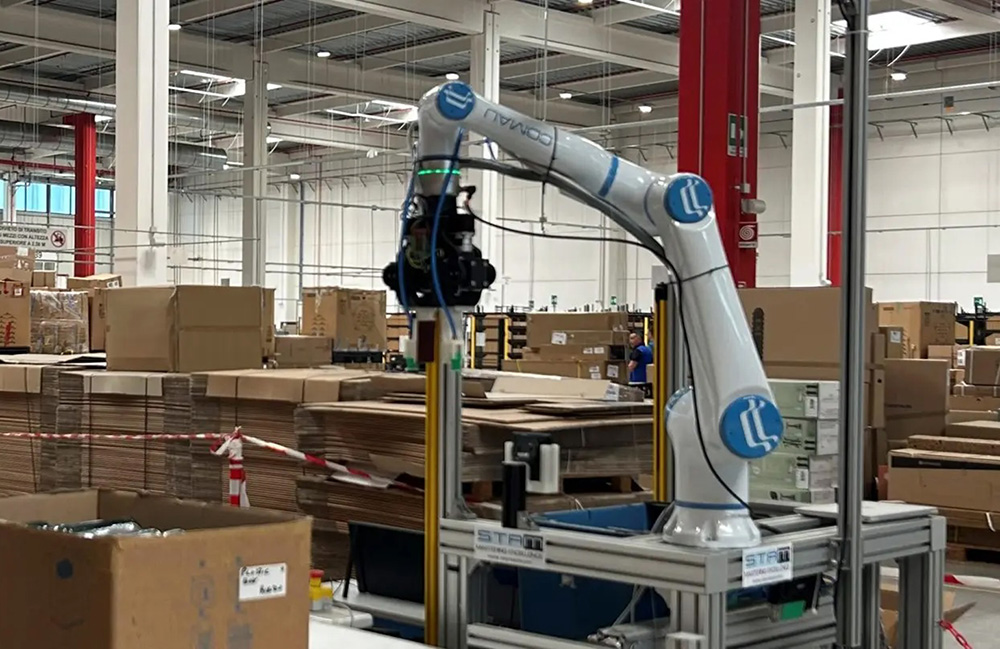
Comau's system incorporates its MyCo cobot, ROS2 software architecture, AI-powered vision systems, and a modular gripper.
Vention's new Physical AI Lab will focus on advancing robotic manipulation from research to scalable production-line deployment.