Research
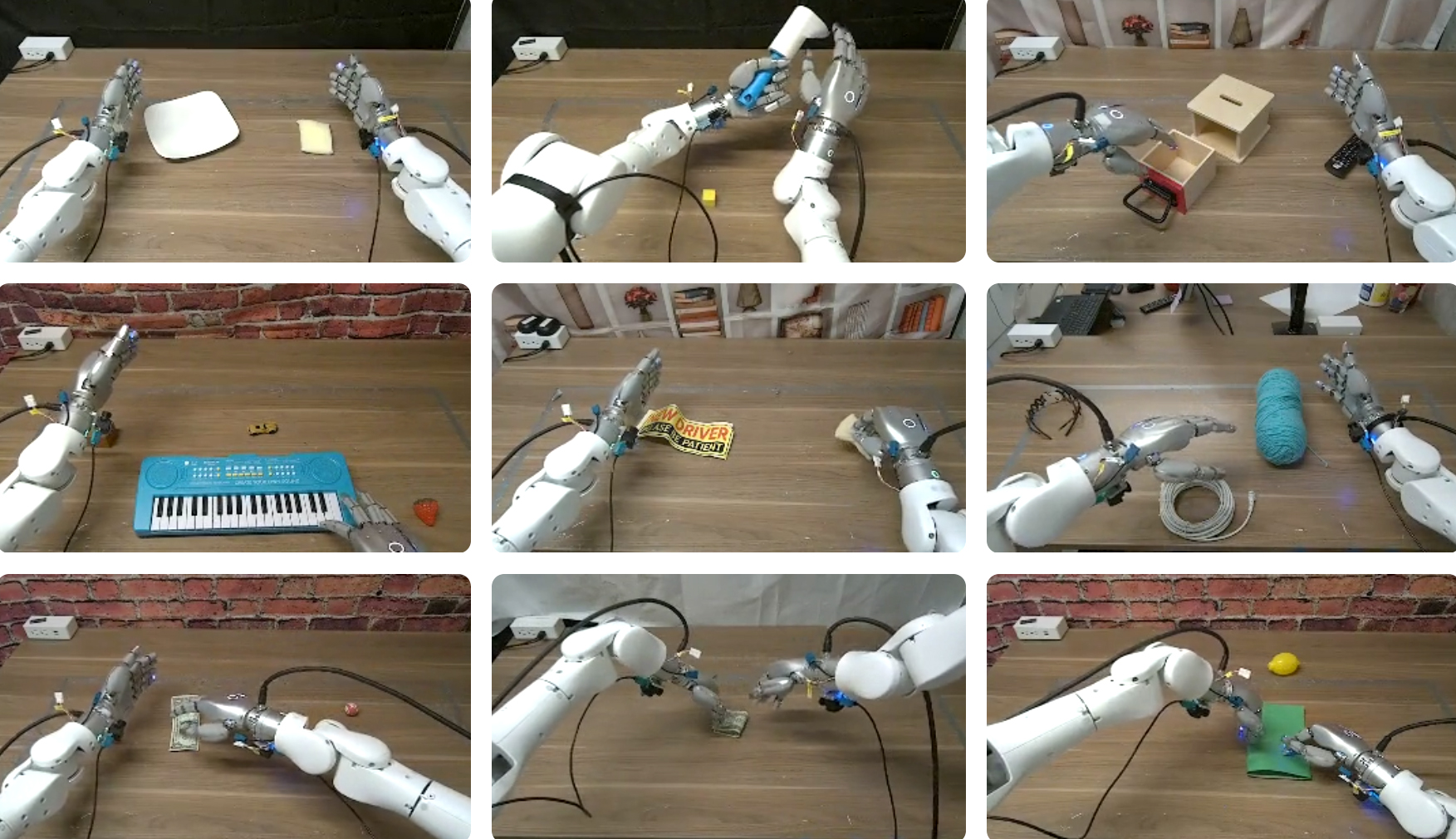
OLogic to share how robots can learn from human demonstrations at RoboBusiness
OLogic CEO Ted Larson will explore the foundations of egocentric robot learning and the technical challenges involved in building these systems.
Category
Papers, labs, and breakthroughs.
Academic research sets the horizon — often years ahead of product — but preprints are not products and benchmarks are not the world.
The most interesting work is the most hardware- and calibration-dependent.
OLogic CEO Ted Larson will explore the foundations of egocentric robot learning and the technical challenges involved in building these systems.
The robotics industry is still waiting for their breakthrough into day-to-day life. Nvidia's Les Karpas has an answer as to why at TechCrunch Disrupt 2026. Register before September 25 to save up to $200 on your pass.
The 2026 IEEE International Conference on Robotics & Automation (ICRA) was held in Vienna from the 1 – 5 June. The event brought together researchers and industry professionals with expertise spanning many different aspects of robotics. IEEE have made the keynote and plenary talk recordings available to watch. You can also catch the panel discussions […]
Partnership brings Remote ID detection into a common operating picture for critical infrastructure, public safety and enterprise users. Airwise Solutions and UAS Sentry have formed a partnership focused on low-altitude airspace awareness. The companies will integrate UAS Sentry Nexus detection capabilities with the Airwise Nexus platform. The integration will display detected Remote ID signals…
New system combines advanced LiDAR, dual mapping cameras and two positioning options for professional surveying and mapping. GeoCue has expanded its standard aerial LiDAR portfolio with the launch of the TrueView 550. The company announced the new mapping system at INTERGEO 2026 in Munich, Germany. The TrueView 550 builds on GeoCue’s TrueView 539 and TrueView […]
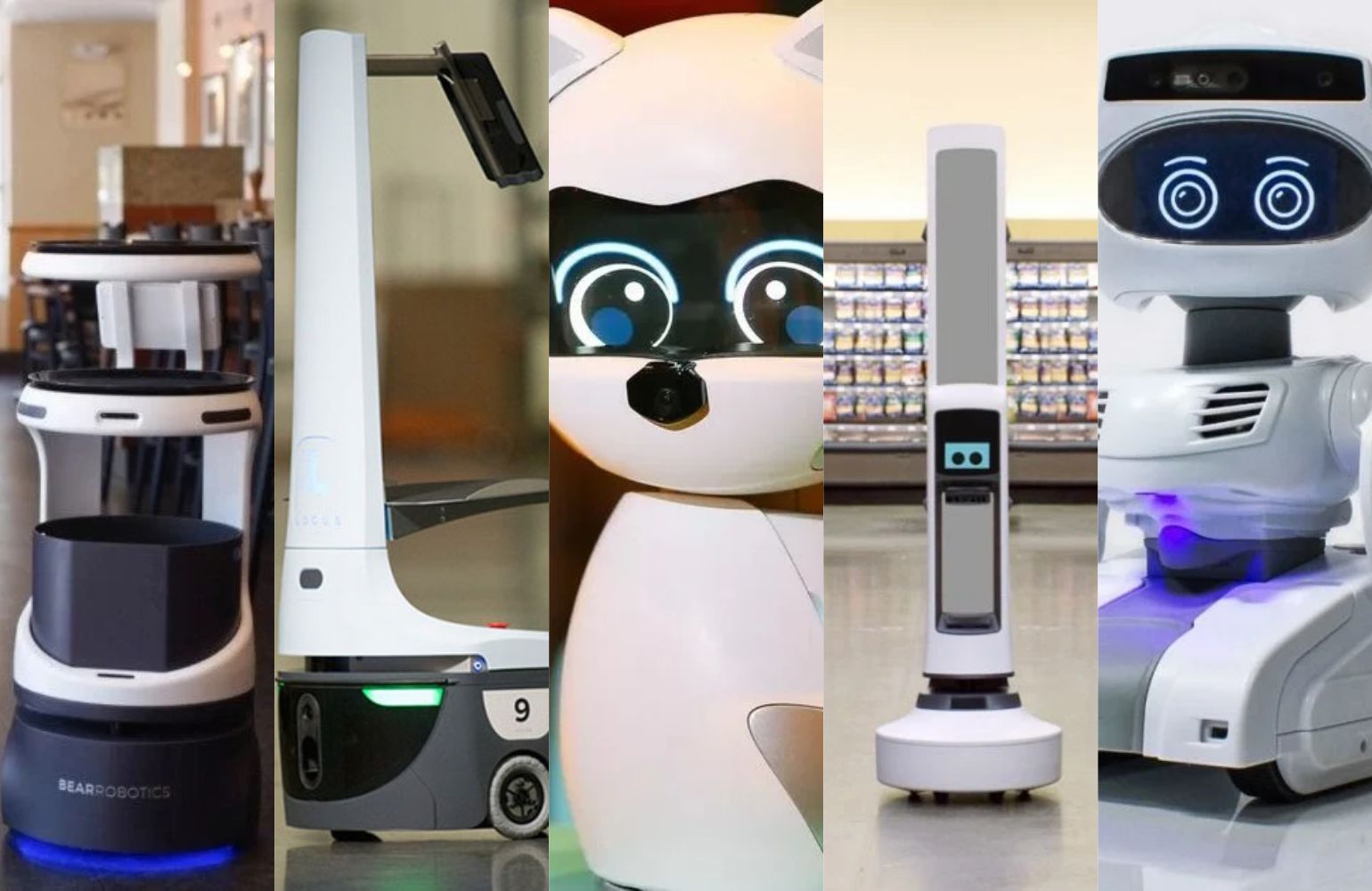
At RoboBusiness 2026, a panel of robotics business leaders will examine the practical playbook behind Robots-as-a-Service or RaaS offerings.
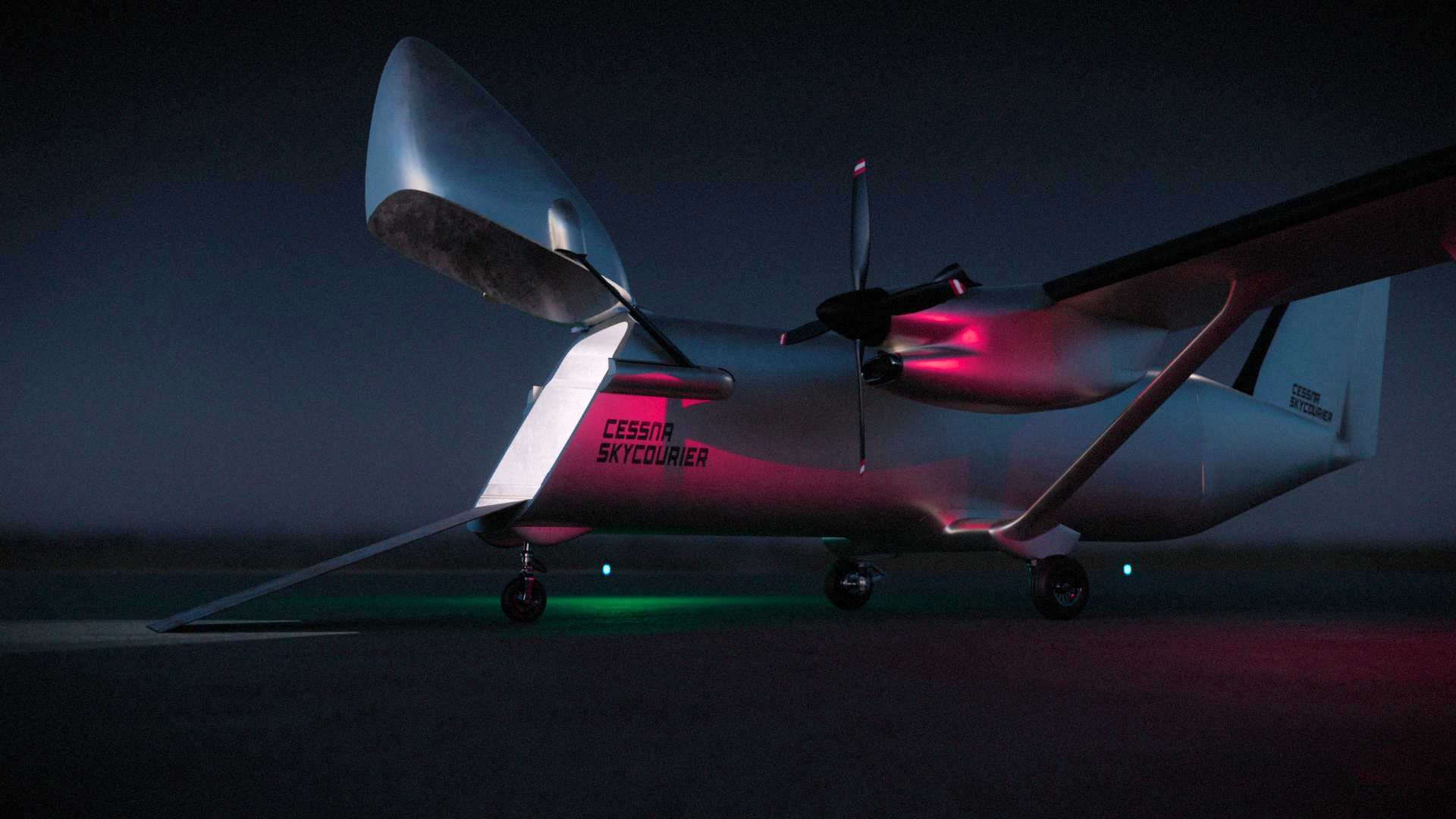
Textron Aviation and Merlin have revealed the Cessna SkyCourier UX, a concept that combines the...
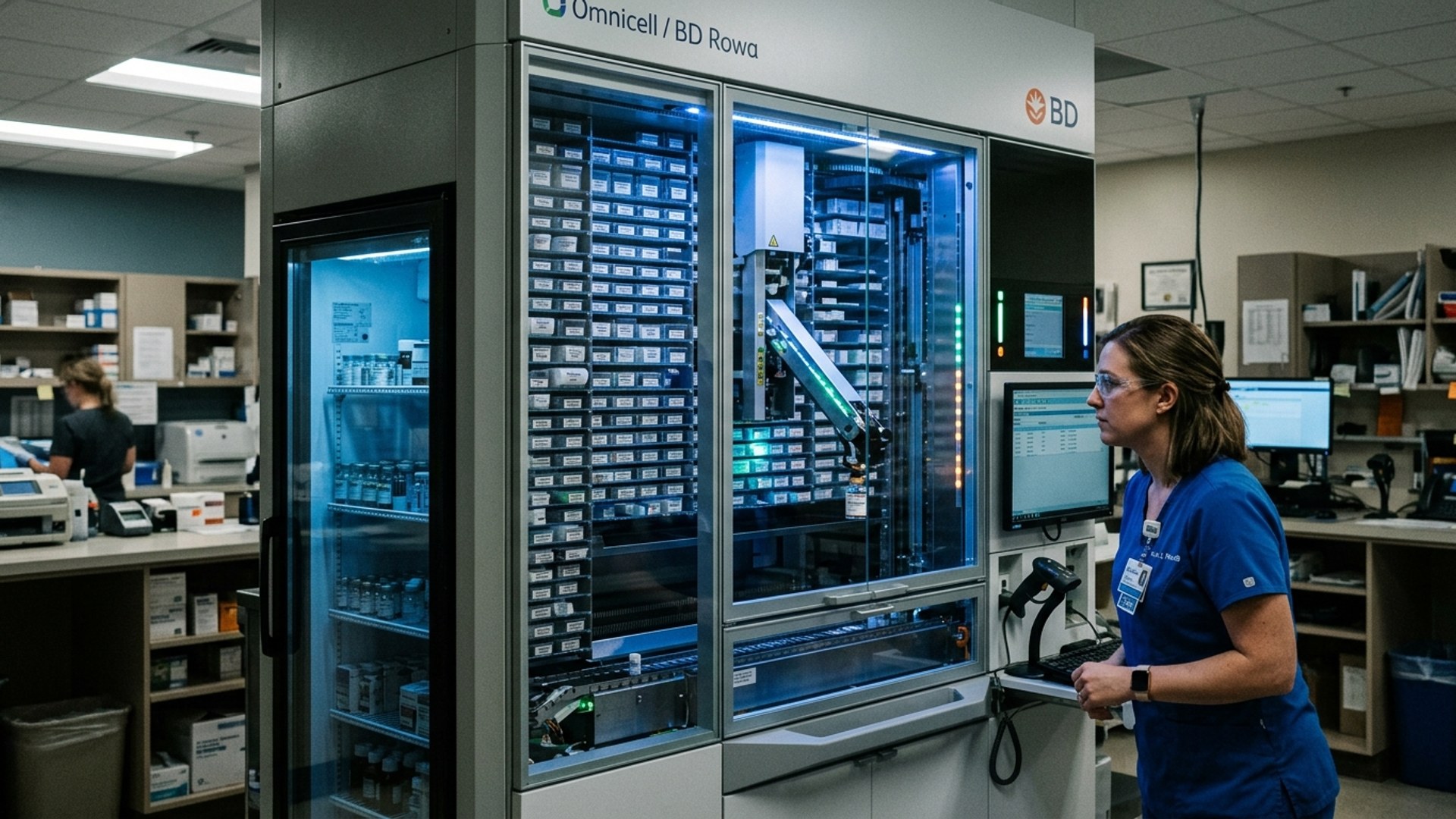
BD (Becton, Dickinson and Company) announced on September 14, 2026, that Fairview Health Services has become the first health system in the United States to deploy the BD Vmax 160, a next-generation pharmacy automation robot designed for high-volume, centralized outpatient pharmacy operations handling specialty therapies and refrigerated medicines. Centralized Pharmacy Operations at Fairview…
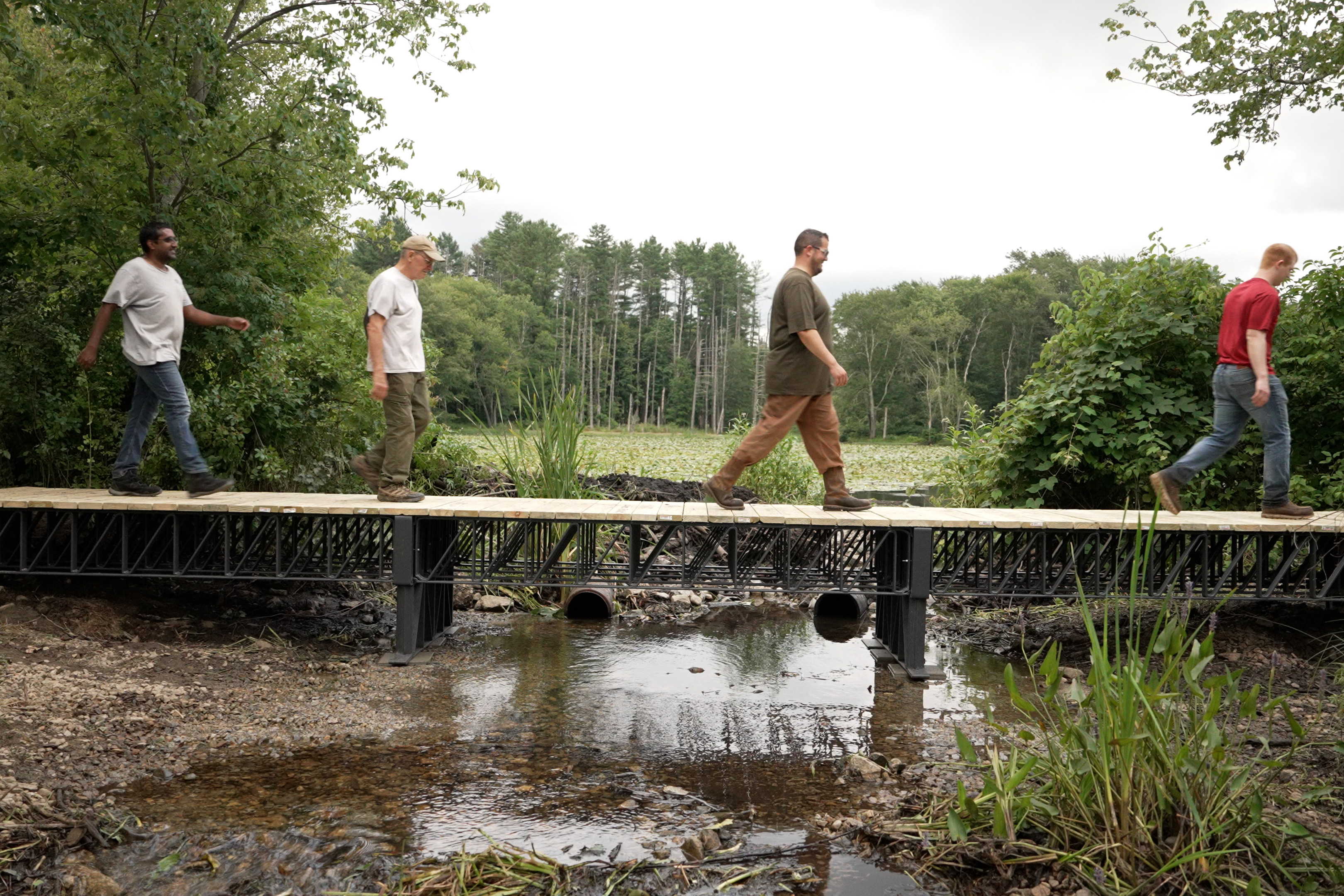
Atlas Building Composites is commercializing MIT research to turn plastic waste into parts for buildings and other infrastructure.
Autonomous tractors can help American agriculture, as exemplified in ASI's collaboration with U.S. Sugar and Everglades Equipment.
In a new robotics benchmark, GPT-6 Astra shows major gains in spatial understanding. On StationeryBench, the model completed 7 out of 100 tasks with dual-arm robots, while competitor MolmoAct2 couldn't finish a single one. A researcher calls it a "step change in spatial reasoning." The article GPT-6 Astra appears to show a "step change" in spatial reasoning based on early benchmarks appeared…
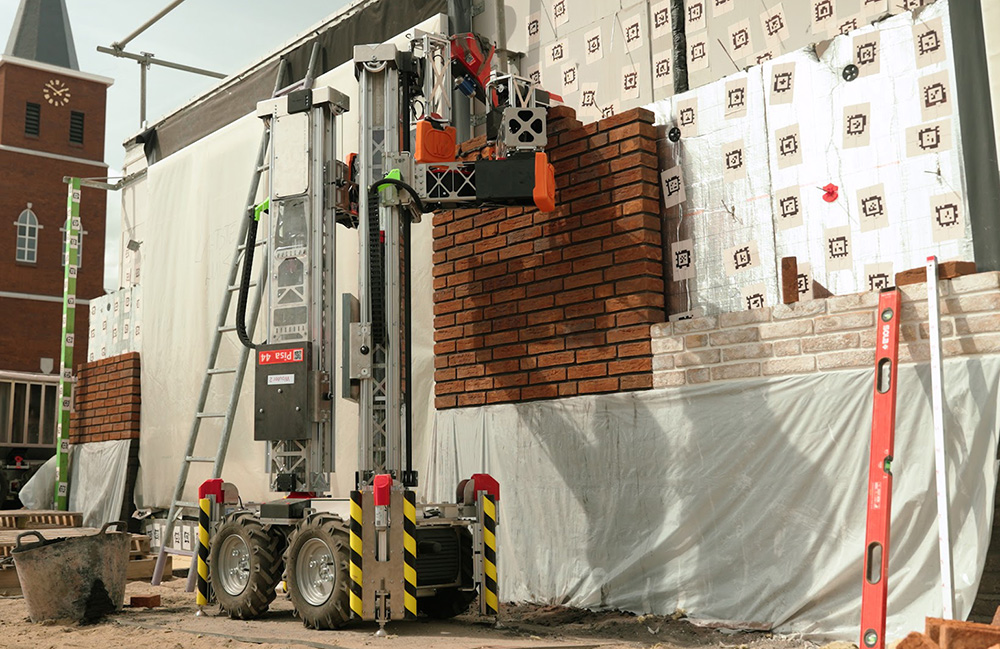
CEO Salar al Khafaji introduces podcast listeners to how Monumental is using robotics to build walls.
GAM explains why robotics designers should consider pinion size when thinking about motion control for high-precision applications.
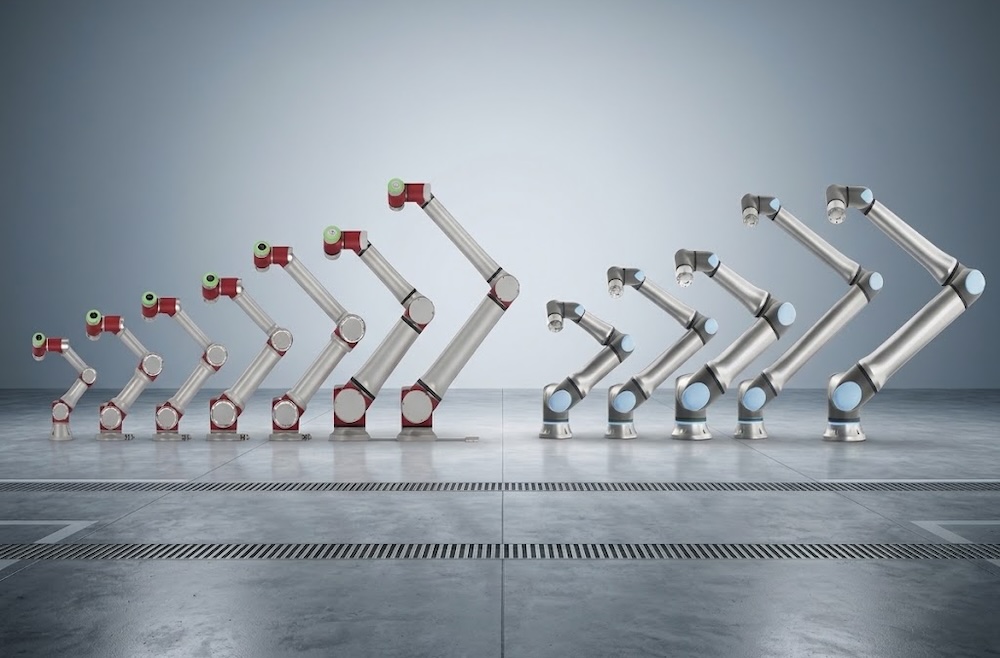
New details reveal the lawsuit involves three Universal Robots patents about robot interfaces, safety brakes, and joints.
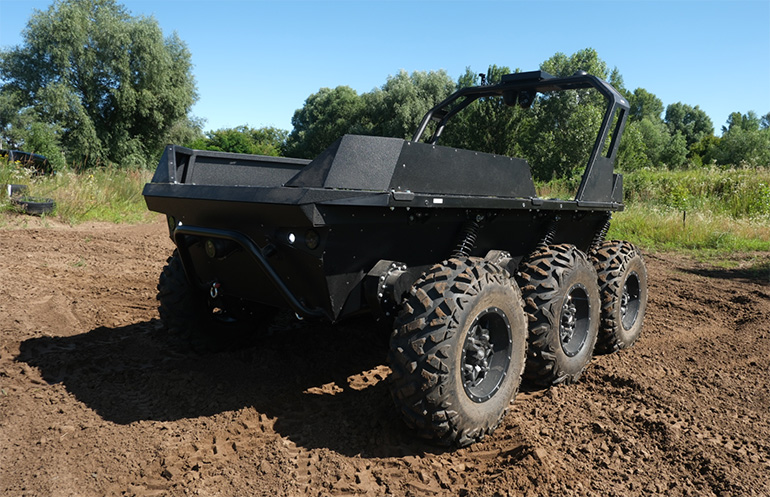
Swarmer, which has developed swarm software, plans to work with Ratel Robotics' unmanned ground vehicles in Ukraine.
Read as Deal terms are usually undisclosed and headline prices often include earn-outs that depend on targets not yet met.
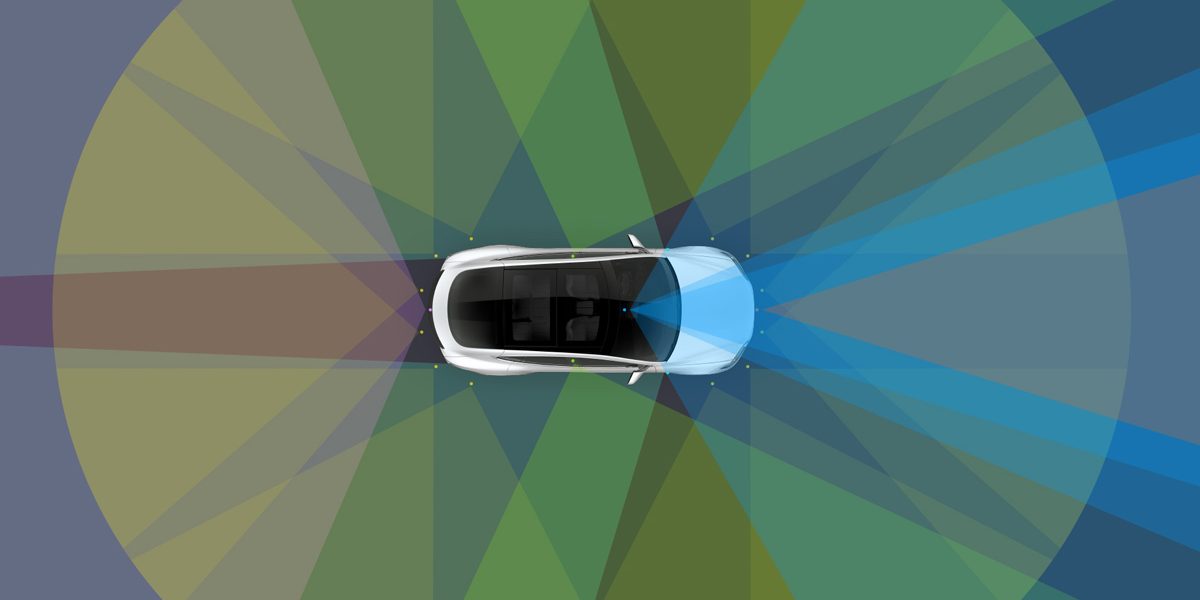
A 2024 Tesla Model Y ran off Interstate 35 in rural Missouri, struck a guardrail, and killed its driver, a 64-year-old woman from Raymore. Troopers reported a single-vehicle wreck and said the car “went off the road.” What they didn’t say, and likely didn’t know, is that Tesla’s own report to federal regulators says the car’s driver-assist system was engaged. This is part of an ongoing Electrek…
Read as Safety claims need a matched baseline — same roads, same weather, same time of day — and disclosure of remote assistance.
Dexterous manipulation remains one of the biggest barriers keeping robots from successfully tackling a wide range of everyday tasks. A sense of touch could be the key, but a lack of quality data has held back progress. This is now starting to change as academic labs and startups race to build new tactile datasets and techniques to put them to use. Over the last few years, vision-language-action…
Cornish Lithium says lithium hydroxide produced and refined in Cornwall performed in line with, and in some areas better than, established commercial materials. Cornish Lithium has successfully demonstrated the use of lithium mined and refined in the UK to manufacture lithium-ion battery cells. The milestone comes as the UK, United States and other countries work […]
Humans are difficult to simulate. We are quick, complex thinkers, and our exact actions aren't predictable. So how can we sufficiently train robots to collaborate with us?
The construction industry is rife with opportunity for robotics, but the technology hasn't broken in at scale yet.
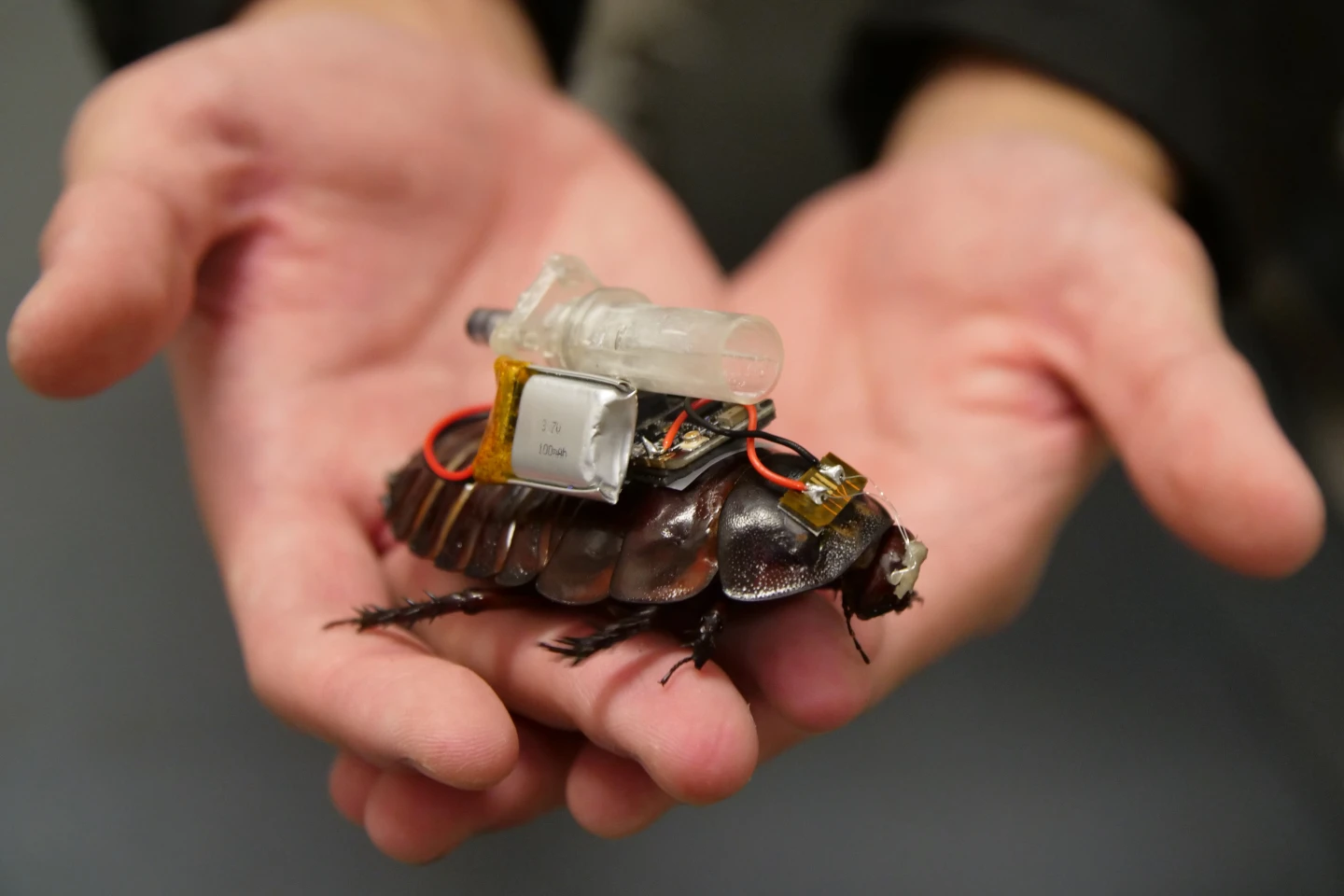
If you think that cockroaches are creepy and useless, we can prove you wrong. Well, at least the “useless” part. Continue Reading Category: Robotics, Engineering Tags: University of Queensland, Cyborg, Insect, Rescue, Disasters
The new interactive mode runs multiple scripts in a single session, cutting delays between operations for repetitive photogrammetry pipelines. SimActive announced a new interactive mode in Correlator3D that shortens automated photogrammetry workflows. Users can run multiple scripts in succession within the same session. The mode removes delays between operations and reduces total execution time.…
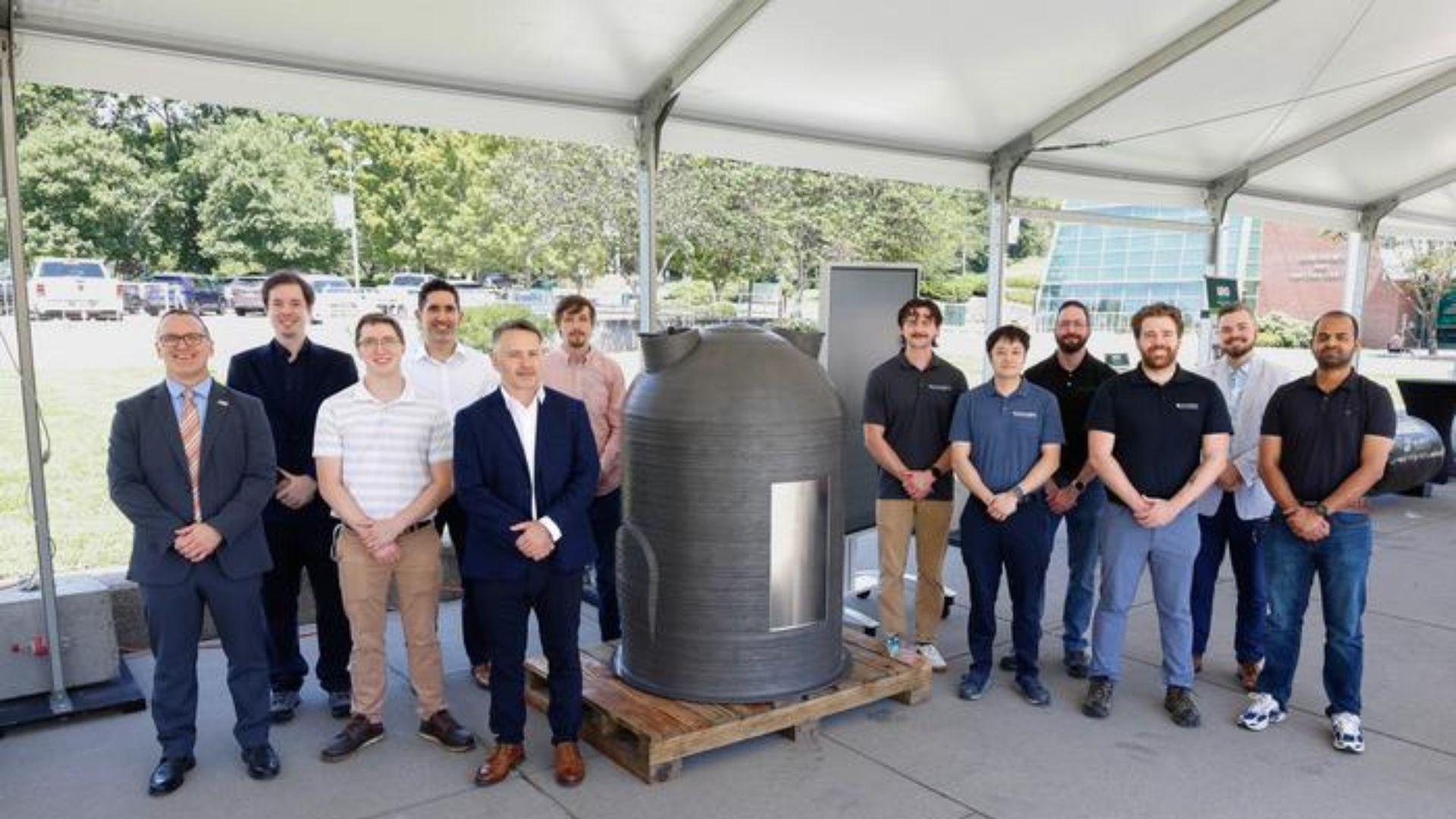
Oak Ridge National Laboratory (ORNL) and industry partners are deploying advanced manufacturing technologies, such as...
Getting out of a taxi shouldn't be a shameful experience. Yet I find myself feeling particularly embarrassed while exiting a Tesla Cybercab as it partially blocks a narrow road outside a popular Austin swimming hole. As a cadre of annoyed, sweaty Texan parking spot hunters pile up around it, the gold-painted two-seater just sits there obliviously, lights flashing. I try not to make eye contact,…
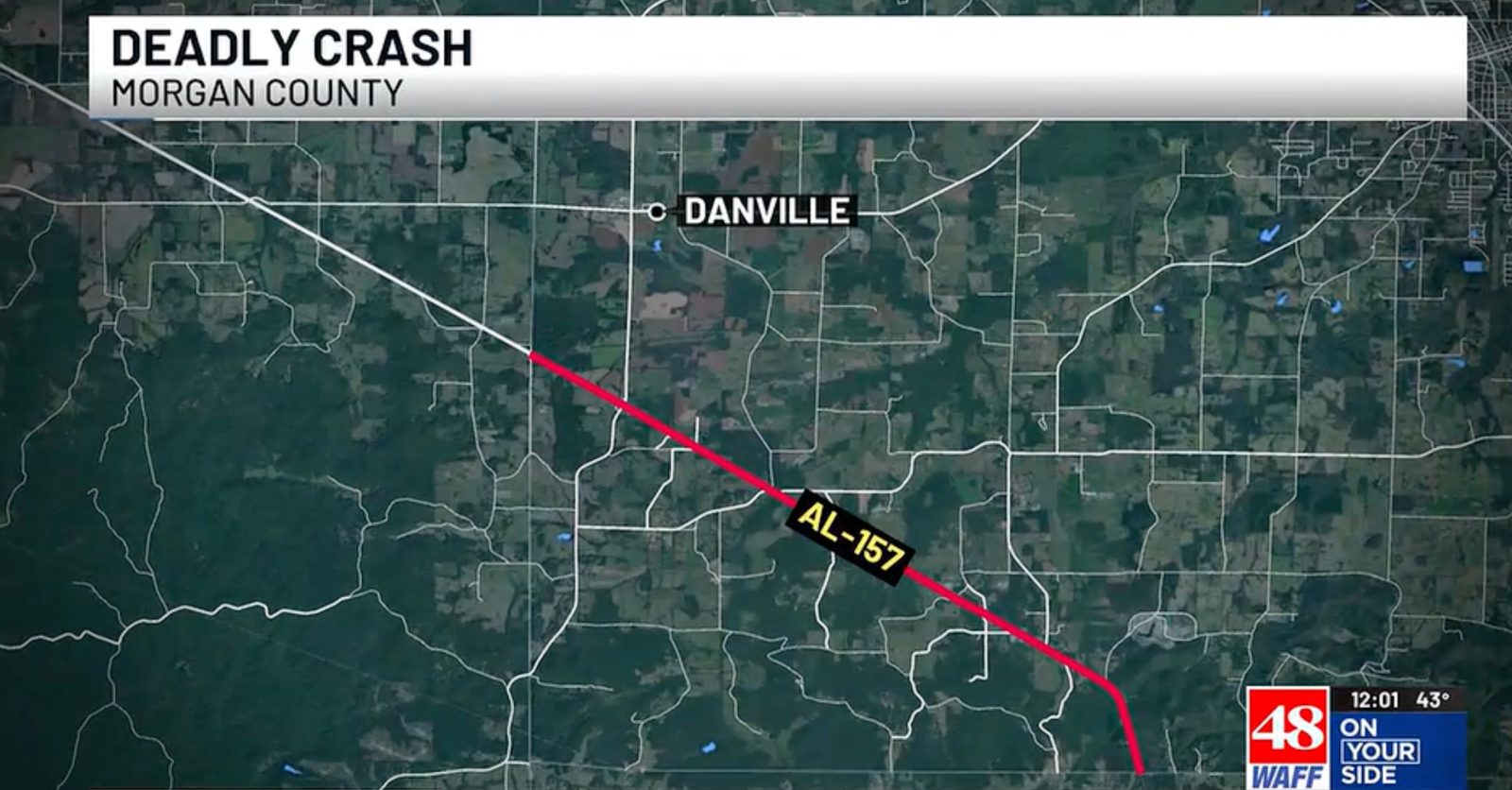
A 2021 Tesla Model Y left an Alabama highway, hit two trees, and caught fire, killing its driver, 29-year-old Kayleigh Page. Her 7-month-old daughter was pulled from the burning car by a stranger who saw it happen. Troopers reported it as a single-vehicle wreck. What they didn’t say, and likely didn’t know, is that Tesla’s own data shows the car’s driver-assist system was engaged. This is part of…
Read as Safety claims need a matched baseline — same roads, same weather, same time of day — and disclosure of remote assistance.
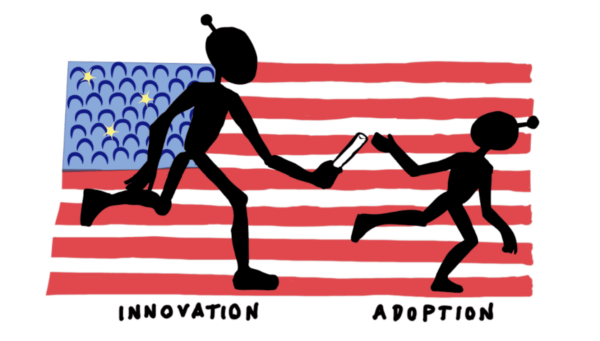
US robotics researchers and industry are looking for a cohesive national robotics strategy that will maintain basic research and innovation while improving domestic production and adoption of robots. By Ellen H. Rumley and Allison Okamura A leader in tech innovation Robots are a crowd-pleasing example of American innovation and global technological leadership. The latest press […]
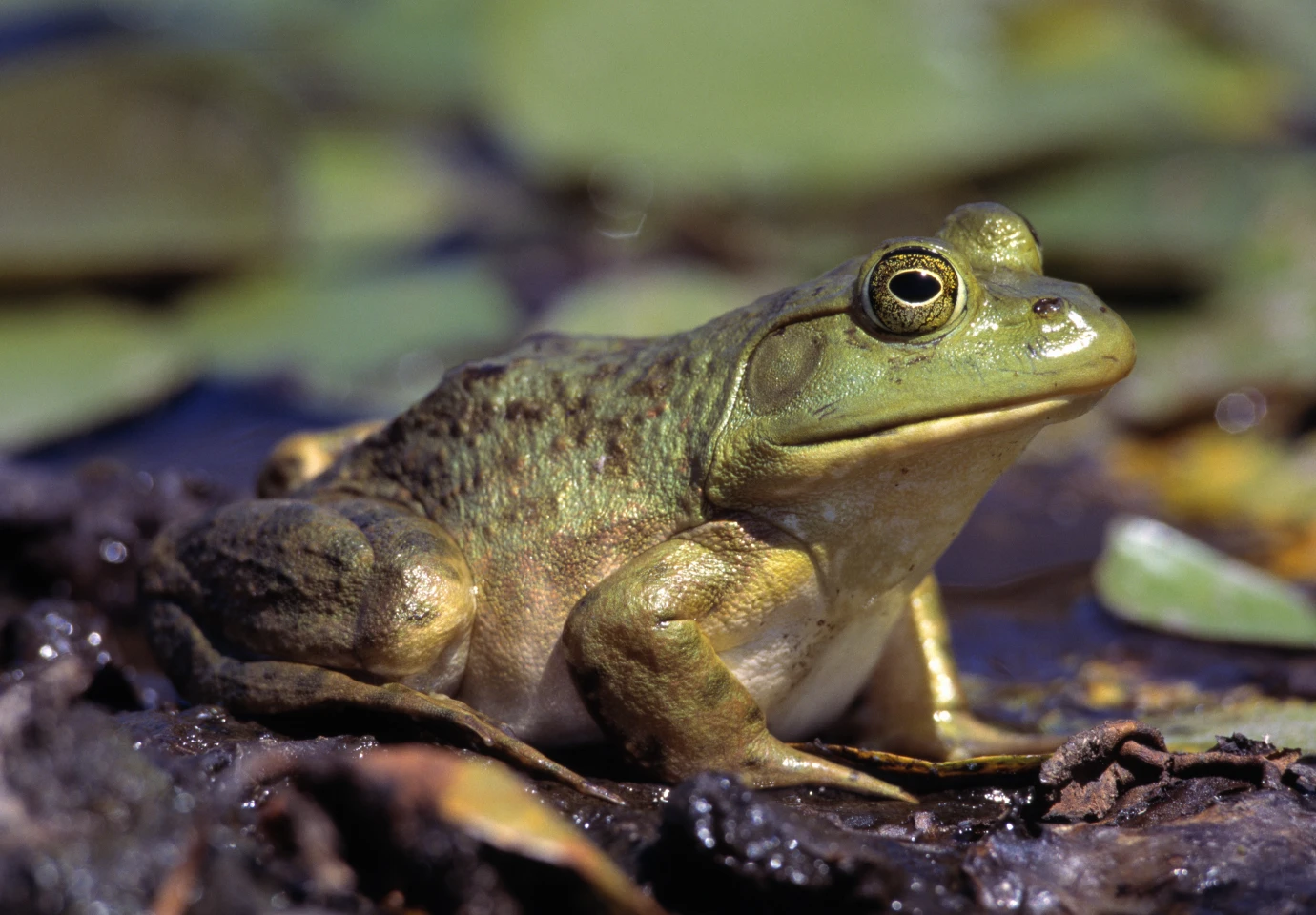
Few things make the career jump from regional cuisine delicacy to robotics actuator. Yet, in research vaguely reminiscent of RoboCop, scientists have used skeletal muscle from a literal frog leg as an actuator to control a tiny robotic manta ray. Continue Reading Category: Robotics, Engineering Tags: Chinese Academy of Sciences, Muscle, locomotion, Biomimicry, Swimming
Dynamic Creatures plants to create its own line of characters, and to re-create characters for specific brands and environments.
A research group comprising Associate Professor Yoshihiro Nakata and Taisei Mogi from the Graduate School of Informatics and Engineering at The University of Electro-Communications (UEC), Japan, and Mari Saito of Sony Corporation has developed MOFU (MOrphing Fluffy Unit), a mobile robot capable of whole-body expansion and contraction. The group investigated how whole-body expansion-contraction…
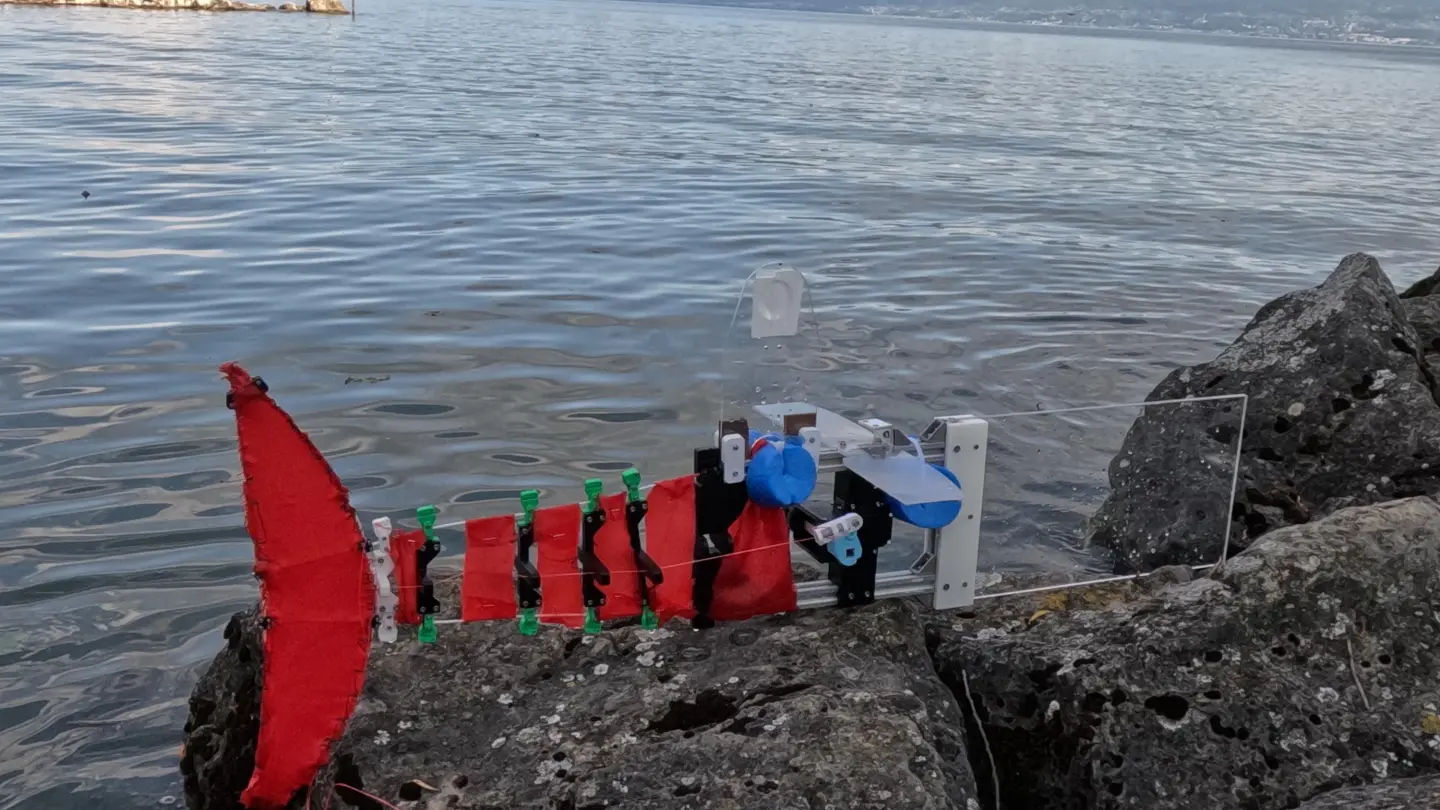
Nature is undoubtedly the smartest engineer. Scientists have borrowed ideas from armadillos, elephants and birds to build robots capable of doing things that conventional man-made machines struggle with. Now, researchers at New York University's Tandon School of Engineering have turned to fish. Continue Reading Category: Robotics, Engineering Tags: New York University, Biomimicry, Fish, locomotion
Read as Demo footage is a best take unless stated otherwise — the questions are teleoperation, cuts, retries, and speed.
Read as Benchmark wins are on curated tasks; generalisation to unseen objects and environments is the open question.